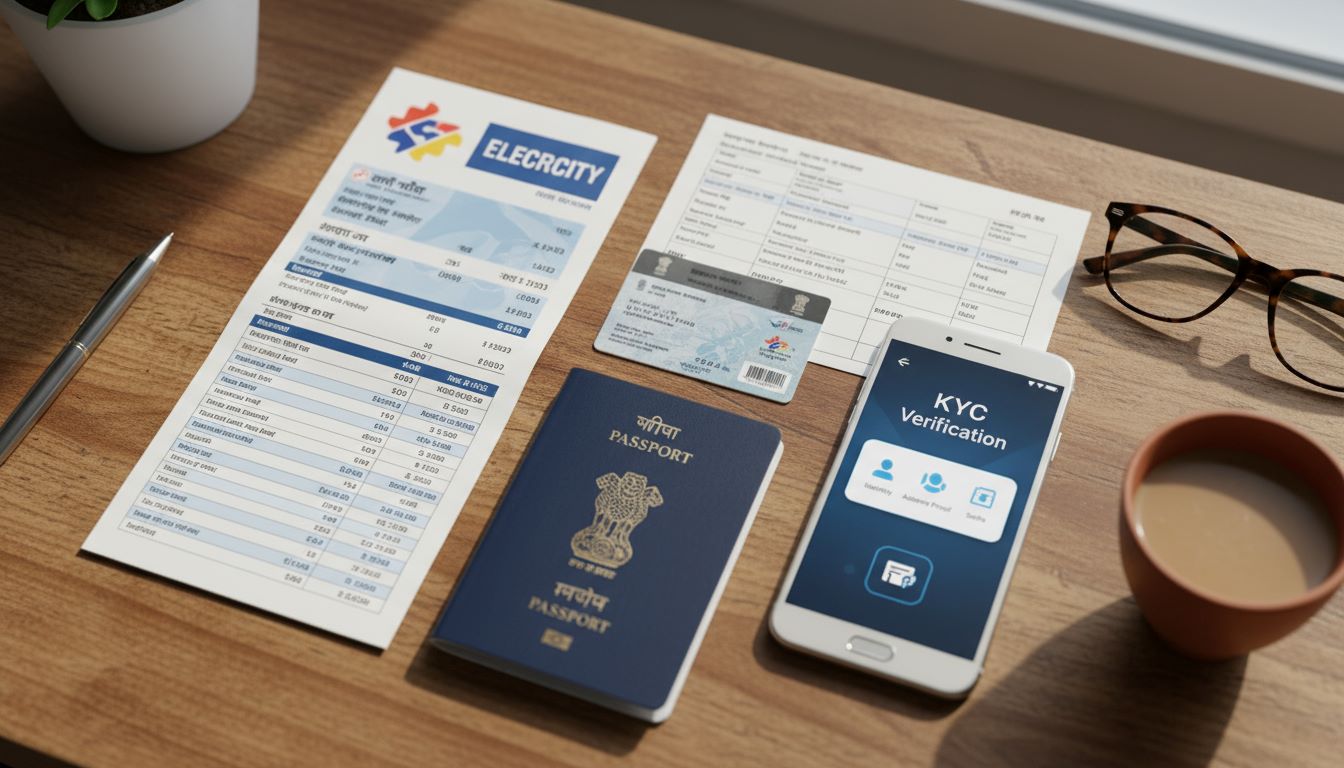

As India enters 2025, the online gaming landscape has undergone unprecedented regulatory transformation. The implementation of stricter bonus abuse restrictions, enhanced compliance requirements, and increased scrutiny from authorities has created a complex environment where even legitimate players risk unintentional violations. Understanding these new rules is no longer optional—it’s essential for anyone participating in online gaming promotions.
The dual challenge facing Indian players today involves navigating legitimate promotional opportunities while avoiding the severe consequences of bonus abuse detection. With account bans, fund seizures, and potential legal ramifications now commonplace, players must develop robust knowledge of current regulations and operator policies to protect themselves from both intentional fraud accusations and accidental violations.
Understanding Bonus Abuse Restrictions in 2025 India
The regulatory landscape for online gaming in India has shifted dramatically following recent legislative changes. The Promotion and Regulation of Online Gaming Act 2025, combined with enhanced enforcement of existing Public Gambling Act provisions, has created a framework where both operators and users face increased scrutiny for promotional activities.
These changes have fundamentally altered how bonus systems operate, with operators implementing more stringent verification processes and users facing higher stakes for compliance failures. The definition of prohibited conduct has expanded beyond traditional fraud to include previously gray-area activities, making comprehensive understanding crucial for all participants.
Understanding these restrictions requires recognizing that legitimate promotional use now demands careful attention to technical compliance, identity verification, and behavioral patterns that might trigger automated detection systems.
| Abuse Type | Description | Risk in India | Penalty |
|---|---|---|---|
| Multi-Accounting | Creating multiple accounts to claim bonuses repeatedly | High – Advanced KYC detection | All accounts banned, funds forfeited |
| Synthetic Identity | Using fake or borrowed identity documents | Very High – Criminal liability | Legal prosecution, permanent ban |
| Bonus Arbitrage | Exploiting promotional terms for guaranteed profit | Medium – Pattern recognition | Account restriction, bonus forfeiture |
| Geo-Spoofing | Masking location to access restricted bonuses | High – Regulatory violation | Immediate account closure |
| Device Manipulation | Altering device fingerprints to appear as new user | Medium – Technical detection | Account suspension, investigation |
Key Changes in Indian Law Affecting Bonuses
The 2025 regulatory framework has introduced several critical compliance requirements that directly impact how bonuses can be offered and claimed. These changes reflect the government’s increased focus on consumer protection and anti-money laundering measures in the digital gaming sector.
- Enhanced KYC Requirements: Mandatory biometric verification and document authentication for all bonus-eligible accounts, with periodic re-verification requirements
- Stricter Promotional Limits: New caps on bonus amounts and frequency, with mandatory cooling-off periods between promotional claims
- Increased Operator Liability: Gaming platforms now face significant penalties for inadequate abuse prevention, creating incentives for stricter enforcement
- Real-Time Reporting Obligations: Operators must report suspicious bonus activity to regulatory authorities within 24 hours of detection
- Consumer Protection Measures: Enhanced disclosure requirements for bonus terms and automatic risk warnings for high-frequency promotional users
Common Methods of Bonus Abuse Detected by Indian Platforms
Gaming operators in India have identified specific patterns of abuse that trigger immediate investigation and potential account action. Understanding these methods helps legitimate players avoid accidentally engaging in flagged behaviors.
The ranking of detection methods reflects both their frequency and the sophistication of current prevention systems deployed by major Indian gaming platforms.
- Multi-Account Creation: The most common form of abuse, involving multiple registrations from the same individual using variations of personal information
- Device Spoofing: Manipulation of device identifiers to appear as multiple unique users, often detected through behavioral analysis
- Identity Document Fraud: Use of fake, stolen, or borrowed identification documents during the verification process
- Collusive Play (Chip Dumping): Coordinated gameplay between multiple accounts to transfer bonus funds, particularly common in poker and rummy
- Geographic Location Manipulation: Use of VPNs or proxy servers to access region-specific bonuses or bypass restrictions
- Automated Account Creation: Bot-driven registration processes designed to create multiple accounts rapidly for bonus harvesting
How Operators Detect and Restrict Bonus Abuse
Indian gaming operators have deployed sophisticated technological and policy frameworks to identify and prevent bonus abuse. These systems operate continuously, analyzing user behavior, technical fingerprints, and transaction patterns to maintain the integrity of promotional offerings.
The detection methods employed by operators often result in false positives that can affect legitimate players. Understanding these systems helps users navigate compliance requirements while maintaining access to genuine promotional opportunities.
| Detection Method | Technology Used | Effectiveness | User Impact |
|---|---|---|---|
| KYC Verification | Biometric matching, document analysis | Very High | Mandatory verification delays |
| Device Fingerprinting | Hardware profiling, browser characteristics | High | Shared device restrictions |
| Behavioral Analytics | Machine learning, pattern recognition | High | False positive account holds |
| IP Geolocation | Geographic blocking, VPN detection | Medium | Travel-related access issues |
| Transaction Monitoring | AML algorithms, velocity checks | Very High | Withdrawal processing delays |
| Social Graph Analysis | Network mapping, relationship tracking | Medium | Family account complications |
Legal and Policy Tools Deployed by Indian Gaming Sites
Gaming operators in India have implemented comprehensive policy frameworks that go beyond technological detection to ensure regulatory compliance and user accountability. These tools create multiple layers of verification and monitoring that users must navigate successfully.
The legal foundation for these tools stems from both gaming regulations and broader financial compliance requirements, including anti-money laundering and consumer protection laws. Understanding these policies helps users maintain compliant accounts while accessing legitimate promotional opportunities.
Operators regularly update these policies in response to regulatory changes and emerging abuse patterns, making ongoing awareness crucial for sustained account access.
- One-Account-Per-IP Policies: Strict limitations on multiple accounts from single IP addresses, with exceptions requiring manual verification for legitimate household users
- Enhanced Phone and SMS Verification: Multi-step authentication processes including OTP verification, phone number uniqueness checks, and carrier validation
- Mandatory Geographic Verification: Real-time location confirmation through GPS data, IP analysis, and periodic geo-verification requirements
- Progressive KYC Requirements: Tiered verification systems that increase in stringency based on account activity, bonus usage, and transaction volumes
- Anti-Bot and CAPTCHA Systems: Sophisticated challenge-response mechanisms designed to prevent automated account creation and abuse
- Terms and Conditions Enforcement: Automated monitoring systems that flag accounts for specific promotional term violations with immediate restriction capabilities
How to Use Bonuses Without Violating Abuse Policies
Successfully navigating bonus opportunities in India’s current regulatory environment requires careful attention to compliance procedures and operator requirements. Legitimate players must understand both the technical and legal frameworks governing promotional use to maintain account access and avoid unintended violations.
The key to compliant bonus usage lies in thorough preparation, careful documentation, and consistent adherence to promotional terms. This approach not only prevents account restrictions but also ensures maximum benefit from legitimate promotional opportunities.
- Complete Full KYC Verification Immediately: Submit all required documents, ensure accuracy of personal information, and respond promptly to any verification requests from operators
- Read and Document All Promotional Terms: Screenshot terms and conditions, note wagering requirements, game restrictions, and withdrawal limitations before accepting any bonus
- Use Only Personal Devices and Networks: Avoid shared computers, public Wi-Fi, or workplace networks that might trigger multi-account detection systems
- Maintain Consistent Personal Information: Use identical spelling, formatting, and details across all platforms and verification documents to prevent identity mismatch flags
- Follow Promotional Timelines Exactly: Respect bonus expiration dates, minimum play periods, and withdrawal eligibility timeframes without attempting to rush or circumvent requirements
- Keep Detailed Records: Maintain screenshots of bonus awards, wagering progress, and completion confirmations for dispute resolution purposes
- Report Technical Issues Immediately: Contact customer support promptly for any promotional discrepancies rather than attempting alternative solutions that might appear as abuse
Responsible Bonus Strategy: Long-Term Play vs. Bonus Hunting
The approach players take toward promotional opportunities significantly impacts their long-term account health and regulatory compliance. Understanding the implications of different strategies helps players make informed decisions about their gaming habits and risk tolerance.
Current regulatory trends favor genuine engagement over opportunistic bonus collection, making strategic approach selection crucial for sustained access to promotional opportunities.
| Approach | Pros | Cons | Regulatory Risk |
|---|---|---|---|
| Long-Term Loyalty Play | Lower scrutiny, better customer treatment, sustainable benefits | Slower bonus accumulation, higher time investment | Very Low |
| Strategic Bonus Hunting | Higher short-term returns, diverse gaming experience | Increased monitoring, potential account restrictions | Medium |
| Aggressive Bonus Collection | Maximum promotional value extraction | High fraud risk flagging, account closures | High |
Common Mistakes That Trigger Abuse Detection
Even well-intentioned players can inadvertently trigger fraud detection systems through common behaviors that appear suspicious to automated monitoring systems. Awareness of these patterns helps legitimate users modify their gaming habits to avoid false positive flagging and maintain uninterrupted account access.
- Using Shared Network Connections: Accessing gaming accounts from office, café, or public Wi-Fi networks that may have been used by other players, creating false multi-account signals
- Inconsistent Personal Information Entry: Varying spelling of names, using different address formats, or providing contradictory personal details across verification documents
- Rapid Sequential Registrations: Creating accounts on multiple platforms within short timeframes, which mimics automated registration patterns used by fraudsters
- Family Device Sharing: Multiple family members using the same device or network for gaming, which can appear as multi-accounting without proper documentation
- Suspicious Gameplay Patterns: Playing only minimum wagering requirements, avoiding certain games, or exhibiting mechanical betting patterns that suggest bonus exploitation
- Document Quality Issues: Submitting low-quality, cropped, or edited verification documents that fail automated authenticity checks
Technological Defenses Against Bonus Abuse (from User & Operator Side)
The technological arms race between bonus abusers and gaming operators has led to increasingly sophisticated detection and prevention systems. Understanding these technologies helps legitimate users navigate compliance requirements while appreciating the complexity of maintaining fair promotional environments.
For users, staying compliant requires awareness of how these systems work and what behaviors might trigger automated responses. The evolution of these technologies continues to outpace traditional fraud methods, making education and adaptation essential for all participants.
The implementation of advanced analytics and machine learning systems has created a landscape where behavioral patterns matter as much as technical compliance, requiring users to maintain consistent, genuine engagement patterns.
| Technology | Purpose | Operator Usage | User Tip |
|---|---|---|---|
| Device Fingerprinting | Unique device identification | Track hardware across sessions | Use personal devices consistently |
| IP Tracking | Location and network analysis | Detect multi-accounting patterns | Avoid VPNs and proxies |
| Machine Learning Models | Behavioral pattern recognition | Real-time fraud scoring | Maintain natural gaming patterns |
| Biometric Verification | Identity authentication | Prevent synthetic identities | Ensure document authenticity |
| Transaction Analytics | Money movement monitoring | AML compliance tracking | Maintain consistent banking details |
| Social Network Analysis | Account relationship mapping | Identify connected accounts | Avoid coordinated gameplay |
How Device, IP, and Behavioral Analytics Affect Bonus Eligibility
Modern gaming platforms employ sophisticated analytics systems that continuously monitor user behavior across multiple dimensions. These systems create risk profiles that directly impact bonus eligibility and account standing, making understanding their operation crucial for maintaining access to promotional opportunities.
The intersection of device characteristics, network patterns, and behavioral analysis creates a comprehensive picture of user authenticity that determines promotional access levels and account privileges.
- Device Consistency Scoring: Systems track hardware profiles, browser fingerprints, and usage patterns to identify device sharing or spoofing attempts that might indicate multi-accounting
- IP Reputation Analysis: Network addresses are continuously evaluated for VPN usage, proxy detection, geographic consistency, and association with known fraudulent activities
- Behavioral Pattern Matching: Gaming habits, timing patterns, bet sizing, and game selection are analyzed against known abuse profiles to identify potentially fraudulent behavior
- Cross-Platform Correlation: Analytics systems share data across gaming operators to identify users attempting to exploit bonuses across multiple platforms simultaneously
- Velocity Checks: Rapid account creation, bonus claiming, or withdrawal attempts trigger automated reviews that can temporarily restrict promotional access
Legal Status, Advertising Bans, and User Risks (2025-onward)
The regulatory landscape surrounding online gaming in India has become increasingly restrictive, with significant implications for both operators and users participating in promotional activities. The implementation of comprehensive advertising bans, enhanced consumer protection measures, and stricter criminal sanctions has created an environment where legal compliance extends far beyond simple bonus usage.
Recent enforcement actions have demonstrated the government’s serious intent to regulate the sector, with particular focus on promotional practices that might encourage excessive gambling behavior. Users must now navigate not only operator policies but also potential legal consequences for promotional participation, especially in states with strict gambling prohibitions.
The socio-economic motivations behind these regulatory changes reflect broader concerns about gambling’s impact on Indian society, particularly among younger demographics and economically vulnerable populations. These concerns have driven policy makers to implement some of the world’s strictest online gaming regulations.
Understanding the gray zones in current regulation is essential for users who wish to participate in legitimate promotional opportunities while avoiding legal complications that could extend beyond gaming platform penalties to actual criminal liability.
Penalties for Users and Platforms Under Current Indian Laws
The penalty framework for gaming violations in India has expanded significantly, with consequences now extending well beyond platform-level restrictions to include serious legal and financial ramifications.
- Immediate Account Termination and Fund Seizure: Operators can instantly freeze accounts and confiscate all funds, including deposits, winnings, and bonus amounts, with limited appeal processes
- Regulatory Reporting and Blacklisting: Suspected violations are reported to gaming authorities, creating permanent records that can affect future account approval across all licensed operators
- Criminal Prosecution Referrals: Serious abuse cases, particularly involving identity fraud or money laundering, are referred to law enforcement agencies for potential criminal charges
- Civil Monetary Penalties: Users may face direct fines ranging from ₹50,000 to ₹5,00,000 for regulatory violations, separate from any platform penalties
- Credit and Financial System Impact: Gaming violations can be reported to credit bureaus and banking regulatory authorities, affecting future financial services access
How Indian Advertising & Consumer Protection Law Applies
The intersection of advertising restrictions and consumer protection law has created a complex compliance environment that extends to user behavior, social media activity, and content creation related to gaming promotions.
- Social Media Endorsement Restrictions: Users face legal liability for promoting gaming bonuses or platforms on social media without proper regulatory disclaimers and risk warnings
- Influencer Content Regulations: Content creators and influencers promoting gaming bonuses must comply with strict disclosure requirements and face significant penalties for non-compliance
- Consumer Protection Violation Consequences: Misleading promotional content or bonus abuse can trigger Consumer Protection Act violations with both civil and criminal consequences
- Platform Liability for User Actions: Gaming operators can be held responsible for user-generated promotional content, creating incentives for strict user content monitoring and penalties
- Cross-Border Enforcement Cooperation: Indian authorities increasingly cooperate with international regulatory bodies to enforce promotional restrictions across jurisdictions
Staying Safe: Future-Proofing Bonus Use in India
As India’s regulatory environment continues to evolve rapidly, players must adopt forward-looking strategies that not only ensure current compliance but also adapt to future regulatory changes. The key to sustainable bonus use lies in building robust compliance habits that exceed current requirements and anticipate regulatory trends.
Future-proofing requires understanding that today’s acceptable practices may become tomorrow’s violations, making conservative approach and continuous education essential for long-term gaming sustainability.
- Maintain Gold-Standard KYC Documentation: Keep all identity documents current, ensure high-quality digital copies, and proactively update information before expiration dates to avoid verification delays
- Use Dedicated Gaming Financial Accounts: Establish separate banking and payment method accounts exclusively for gaming to maintain clear transaction trails and avoid mixing funds that might trigger AML concerns
- Document All Gaming Activity Comprehensively: Create detailed records of all bonus claims, gaming sessions, deposits, and withdrawals with timestamps and screenshots for potential regulatory inquiries
- Subscribe to Regulatory Update Services: Stay informed about changing laws and regulations through official government channels, legal advisories, and licensed operator communications
- Maintain Single-Platform Loyalty: Focus gaming activity on fewer, well-regulated platforms rather than spreading activity across many operators to reduce complexity and compliance risks
- Engage with Licensed Operators Only: Verify operator licensing status regularly and avoid unlicensed platforms that may not provide legal protections or regulatory compliance
- Report Suspicious Activities Promptly: Immediately report unusual promotional offers, potential scams, or compliance concerns to both operators and regulatory authorities to demonstrate good faith participation
Summary: Key Do’s and Don’ts for Indian Players
Success in India’s complex gaming regulatory environment requires strict adherence to both technical compliance requirements and behavioral best practices that demonstrate legitimate engagement.
- DO maintain complete, accurate KYC documentation and respond immediately to verification requests from licensed operators
- DO use personal devices and networks exclusively, avoiding shared computers, public Wi-Fi, or workplace internet connections for gaming activities
- DO read and understand all promotional terms completely before participating, keeping detailed records of all bonus-related activities
- DO engage with licensed operators only and verify licensing status regularly through official regulatory channels
- DO report suspicious promotional offers or potential compliance violations to operators and authorities immediately
- DON’T create multiple accounts, share accounts with others, or use borrowed identity documents under any circumstances
- DON’T attempt to circumvent geo-restrictions, use VPNs, or mask device characteristics to access bonuses or gaming platforms